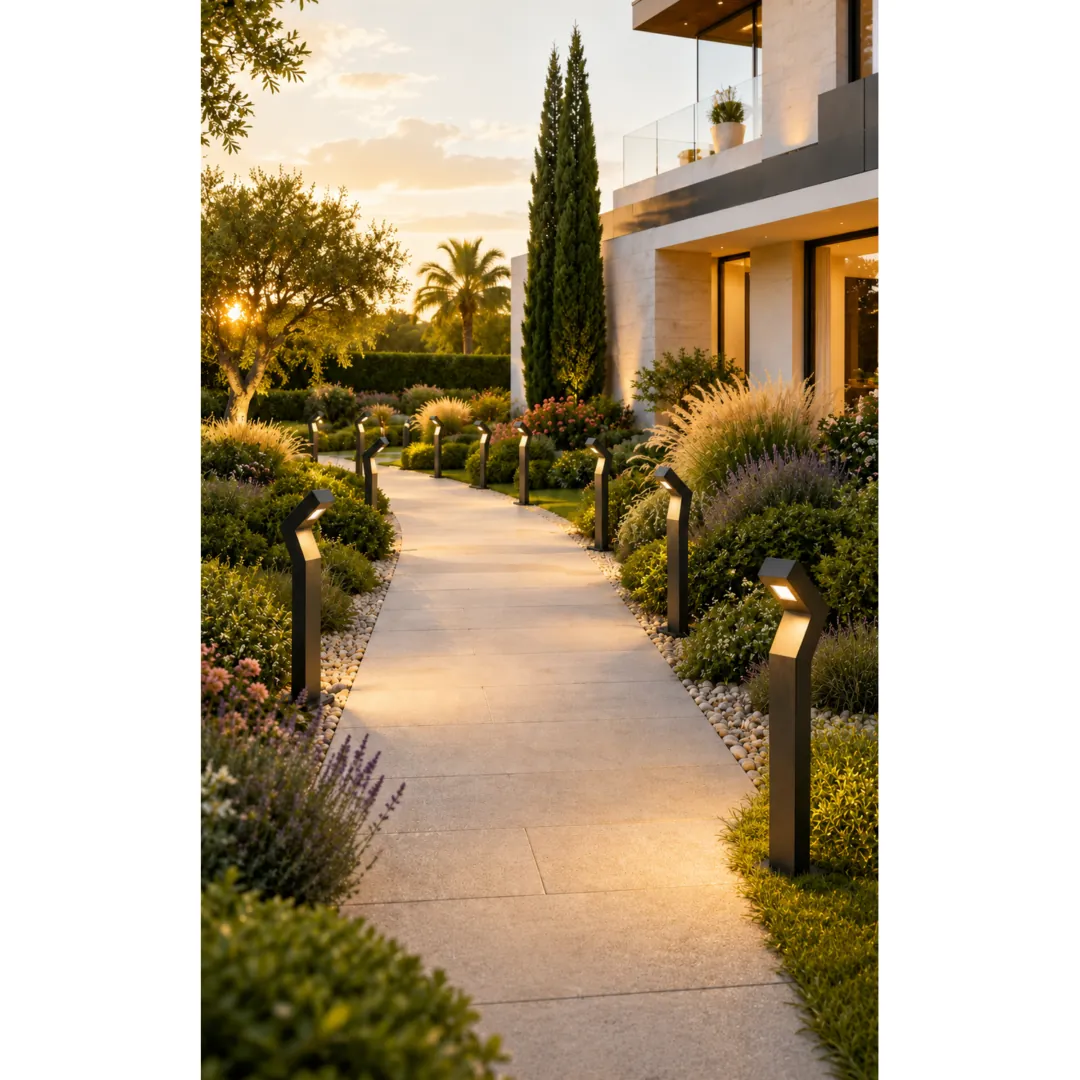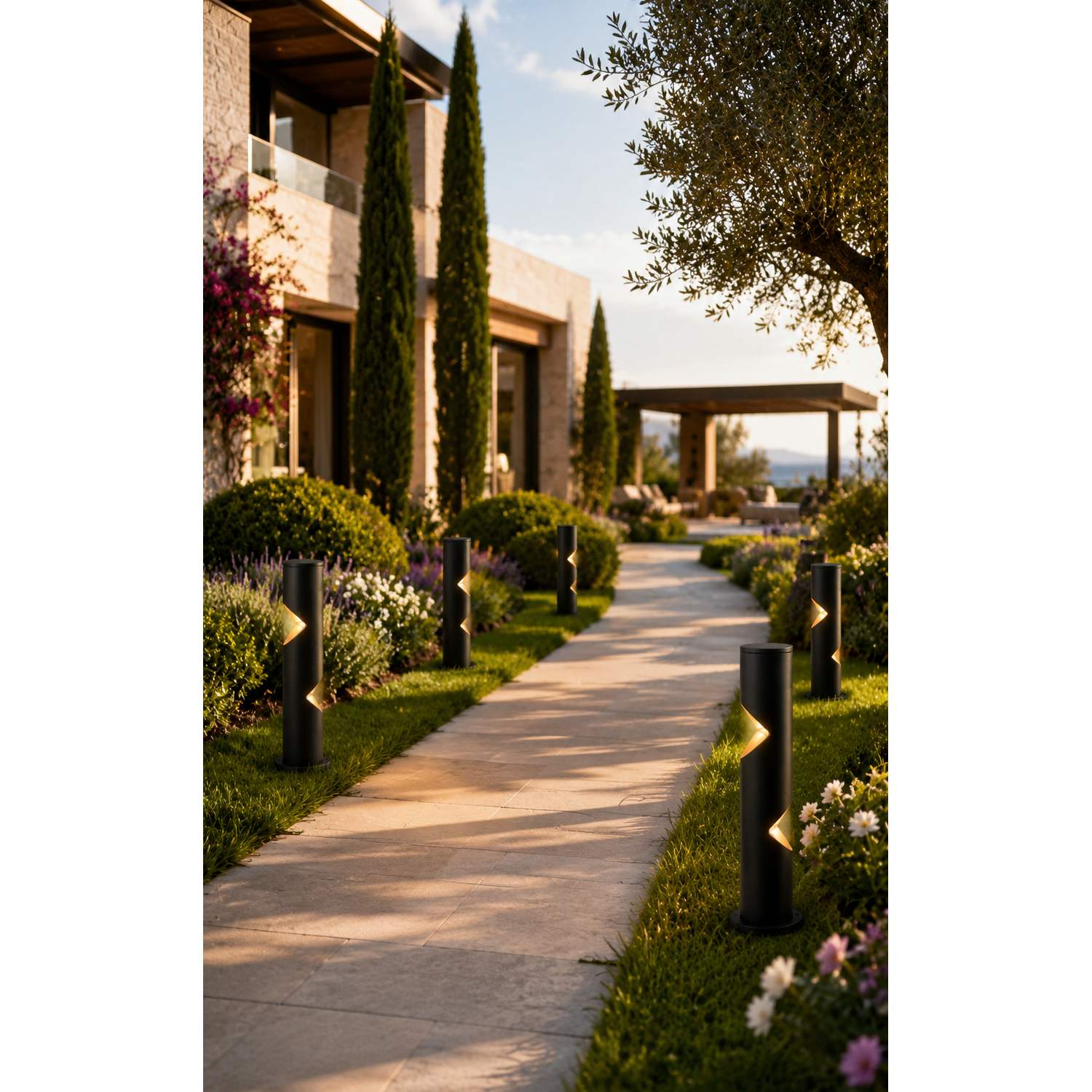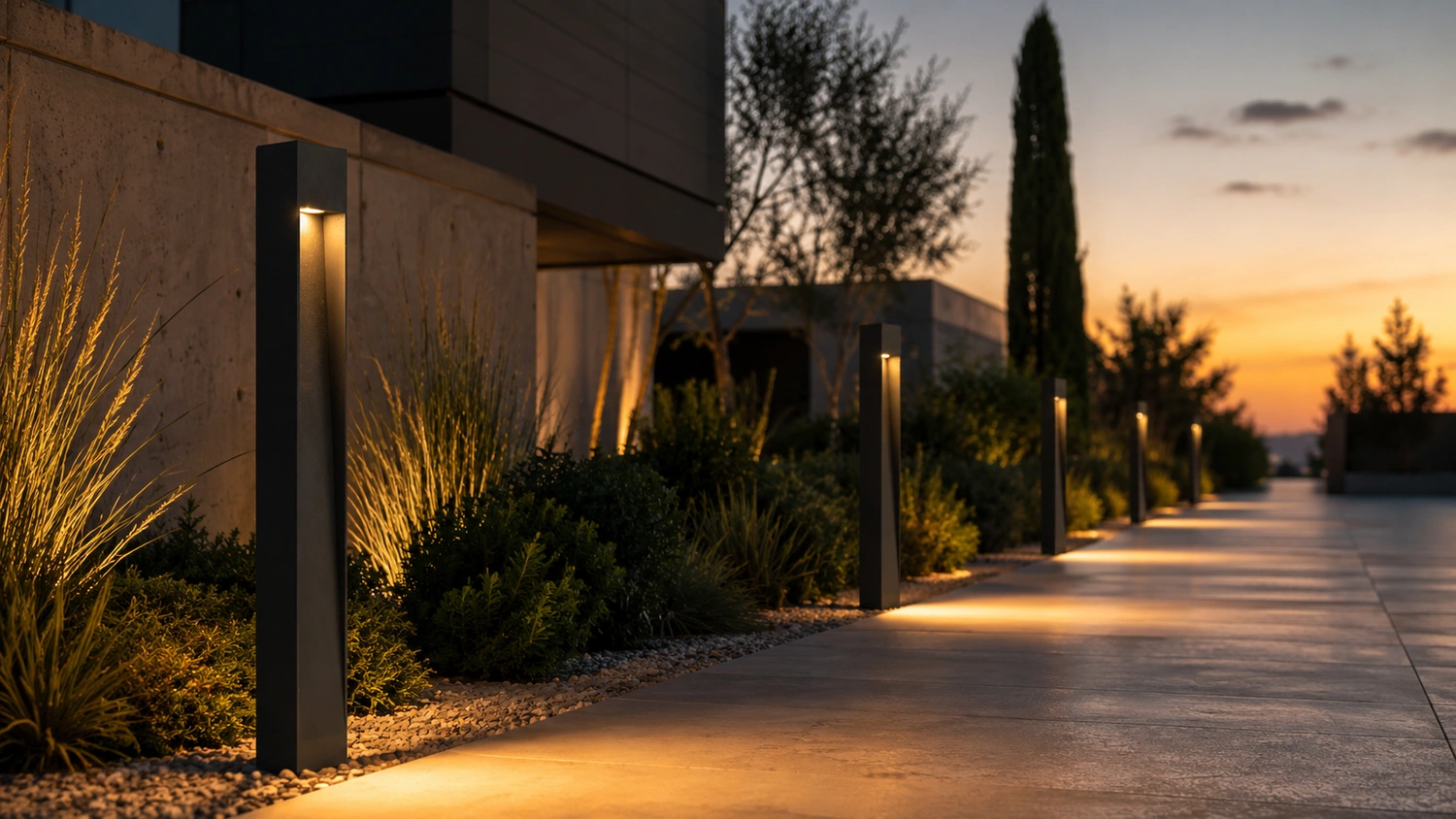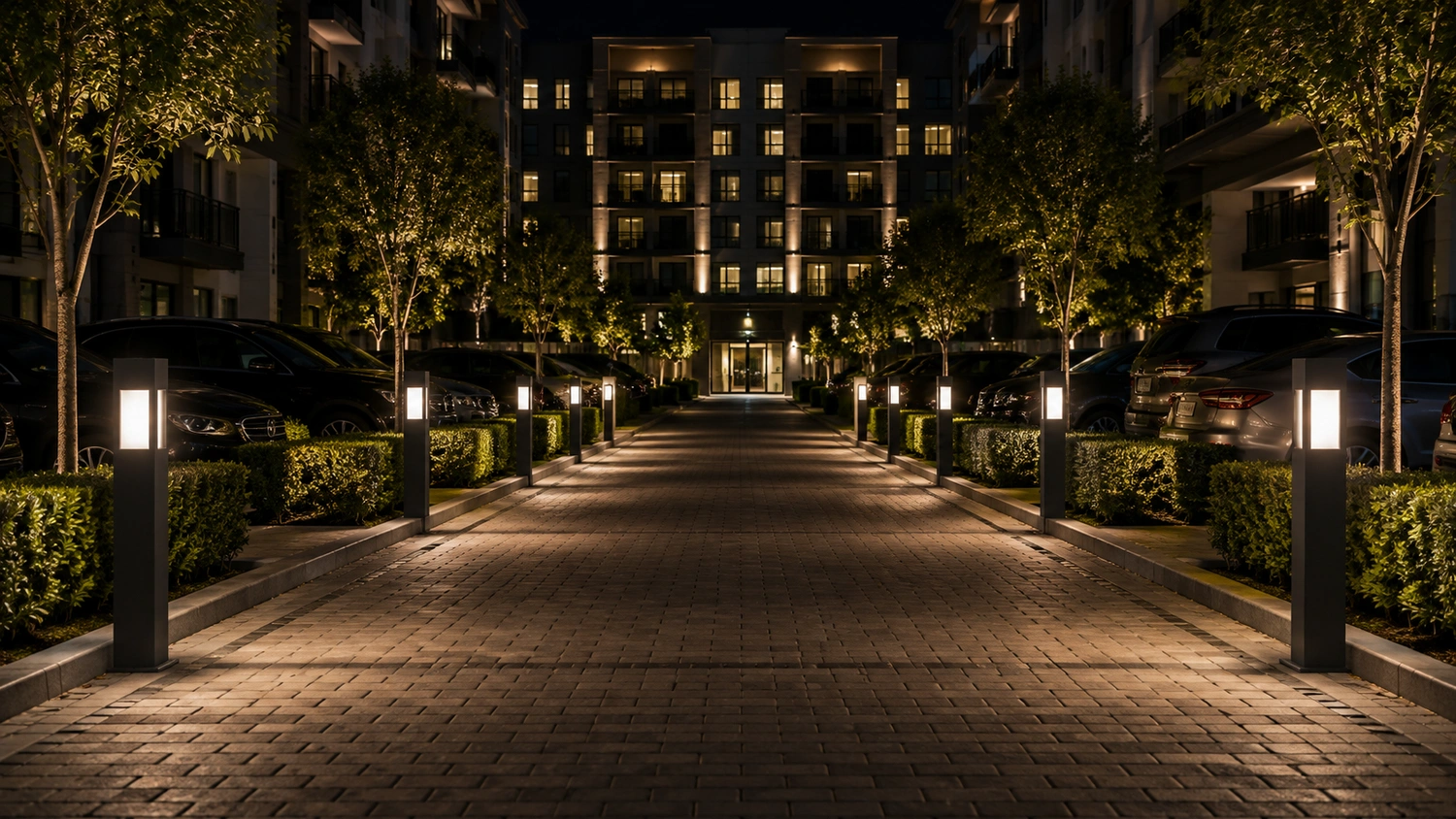

Fifty of Artay Lighting’s bollard and pole models are named after ancient settlements in Anatolia — Ephesus, Aphrodisias, Zeugma, Xanthos, Sardis, Troy and forty-four others. Six of those names belong to sites inscribed on the UNESCO World Heritage List.
This page is the complete list. It gives every model name, its product code, the ancient region the settlement belonged to, the modern Turkish province it lies in, and what the site is known for. If you are specifying an Artay product and want to know where its name comes from, or you are looking for a model and only remember the name, this is the index.
Why are Artay lighting models named after ancient cities?
Artay Lighting has cast aluminium in its own die-cast foundry in Istanbul since 1999, and what it casts is street and urban lighting: poles that stand in squares, promenades and old town centres, and bollards that light the paths through them. A lighting pole installed today will still be standing in the same square in thirty years.
Anatolia has a longer version of the same idea. The settlements these models are named after have stood on their sites for two thousand years and more — several of them still with their theatres, colonnaded streets and harbour walls in place. Naming a pole after Patara or Aspendos is a small acknowledgement of that: these are objects made for public space, in a country with a very long record of building public space.
The naming is also how the ranges are organised internally, which is why two families — bollards and urban poles — draw on two different sets of names.
Which Artay bollard models are named after ancient cities?
Thirty models in the bollard range carry the names of ancient settlements. Every name below links to the product page for that model.
| Model | Code | Ancient region | Modern province | Known for |
|---|---|---|---|---|
| Ephesus | ART 1903 | Ionia | İzmir (Selçuk) | Library of Celsus and the Great Theatre |
| Milet | ART 1500 | Ionia | Aydın (Didim) | Grid-planned harbour city with a great theatre |
| Assos | ART 1501 | Troad | Çanakkale (Ayvacık) | Archaic Doric temple; Aristotle taught here |
| Teos | ART 1502 | Ionia | İzmir (Seferihisar) | Temple of Dionysos and the Dionysiac artists’ guild |
| Sardes | ART 1503 | Lydia | Manisa (Salihli) | Temple of Artemis, gold refinery, monumental synagogue |
| Nysa | ART 1508 | Caria–Lydia border | Aydın (Sultanhisar) | Theatre with Dionysos friezes and a library building |
| Labranda | ART 1509 | Caria | Muğla (Milas) | Sanctuary of Zeus with its andron banqueting halls |
| Troia | ART 1510 | Troad | Çanakkale | Nine superimposed settlement layers |
| Perge | ART 1511 | Pamphylia | Antalya (Aksu) | Colonnaded street with a central water channel |
| Kaunos | ART 1512 | Caria | Muğla (Dalyan) | Rock-cut temple-façade tombs above the delta |
| Xanthos | ART 1513 | Lycia | Antalya (Kaş) | Lycian pillar tombs; capital of ancient Lycia |
| Knidos | ART 1514 | Caria | Muğla (Datça) | Twin harbours; home of Praxiteles’ Aphrodite |
| Olympos | ART 1515 | Lycia | Antalya (Kumluca) | Wooded harbour city beside the Chimaera flames |
| Aphrodisias | ART 1516 | Caria | Aydın (Karacasu) | Sculpture school, stadium and Temple of Aphrodite |
| Patara | ART 1518 | Lycia | Antalya (Kaş) | Lycian League assembly hall and an ancient lighthouse |
| Herakleia under Latmos | ART 1519 | Caria | Muğla (Milas) | Hellenistic city walls on the shore of Lake Bafa |
| Side | ART 1521 | Pamphylia | Antalya (Manavgat) | Seaside Temple of Apollo and a Roman theatre |
| Anemurium | ART 1526 | Cilicia | Mersin (Anamur) | Necropolis of vaulted tombs on Anatolia’s southern cape |
| Alabanda | ART 1527 | Caria | Aydın (Çine) | Bouleuterion and Temple of Apollo |
| Myra | ART 1528 | Lycia | Antalya (Demre) | Rock-cut tombs in the cliff above a Roman theatre |
| Limyra | ART 1530 | Lycia | Antalya (Finike) | Heroon of Perikle and hundreds of rock-cut tombs |
| Didyma | ART 1532 | Ionia | Aydın (Didim) | Colossal Temple of Apollo and its oracle |
| Termessos | ART 1533 | Pisidia | Antalya (Korkuteli) | Mountain city Alexander chose not to besiege |
| Arykanda | ART 1535 | Lycia | Antalya (Elmalı) | Terraced city built up a steep mountainside |
| Sagalassos | ART 1537 | Pisidia | Burdur (Ağlasun) | Re-erected Antonine nymphaeum high in the Taurus |
| Hierapolis | ART 1538 | Phrygia | Denizli (Pamukkale) | Travertine terraces and a vast necropolis |
| Letoon | ART 1539 | Lycia | Muğla (Seydikemer) | Sanctuary of Leto and the trilingual stele |
| Phaselis | ART 1542 | Lycia | Antalya (Kemer) | Three harbours linked by a monumental street |
| Stratonikeia | ART 1543 | Caria | Muğla (Yatağan) | Ancient city overlapping a still-inhabited village |
| Euromos | ART 1544 | Caria | Muğla (Milas) | Temple of Zeus Lepsynos, sixteen columns still standing |
Two further bollards take their names from Anatolia without naming a single city. Lykia (ART 1529) is named for the ancient region of Lycia rather than a city — the Teke peninsula across today’s Antalya and Muğla, homeland of Xanthos, Patara, Myra and the Lycian League. Antioch (ART 1531) is named for Antioch on the Orontes — today Antakya in Hatay, and the one outlier in this list, since the ancient city belonged to Syria rather than to Asia Minor.
Which Artay urban lighting pole models are named after ancient cities?
Eighteen models in the urban pole range are named for ancient settlements. These are the poles specified for squares, promenades, park paths and pedestrian streets.
| Model | Code | Ancient region | Modern province | Known for |
|---|---|---|---|---|
| Mylasa | ART 1310 | Caria | Muğla (Milas) | The Gümüşkesen tomb monument and the Baltalı gate |
| Pinara | ART 1315 | Lycia | Muğla (Seydikemer) | A cliff face honeycombed with rock tombs |
| Tralleis | ART 1317 | Caria–Lydia border | Aydın | Üçgözler, three surviving vaults of a Roman gymnasium |
| Selge | ART 1318 | Pisidia | Antalya (Manavgat) | Theatre above Köprülü Canyon and a Roman bridge |
| Magnesia on the Maeander | ART 1322 | Ionia | Aydın (Germencik) | Temple of Artemis Leukophryene by Hermogenes |
| Laodikeia | ART 1323 | Phrygia | Denizli | Two theatres; one of the Seven Churches of Revelation |
| Aspendos | ART 1324 | Pamphylia | Antalya (Serik) | One of the best-preserved Roman theatres in Anatolia |
| Kibyra | ART 1325 | Kibyratis | Burdur (Gölhisar) | Odeon with a Medusa mosaic floor and a vast stadium |
| Sidyma | ART 1328 | Lycia | Muğla (Seydikemer) | Roman tombs standing among the houses of a village |
| Oinoanda | ART 1330 | Lycia | Muğla (Seydikemer) | Diogenes’ Epicurean text, the largest known Greek inscription |
| Anazarbos | ART 1332 | Cilicia | Adana (Kozan) | A long colonnaded street below a rock-cut fortress |
| Korykos | ART 1335 | Cilicia | Mersin (Erdemli) | Twin castles, one on land and one on an islet |
| Elaiussa | ART 1337 | Cilicia | Mersin (Erdemli) | A former island city with a theatre and grave avenue |
| Arsameia | ART 1338 | Commagene | Adıyaman (Kâhta) | Relief of Antiochos I greeting Herakles |
| Andriake | ART 1345 | Lycia | Antalya (Demre) | Harbour of Myra; Hadrian’s granary still stands |
| Simena | ART 1346 | Lycia | Antalya (Demre) | Castle above the sunken ruins of Kekova |
| Kyaneai | ART 1359 | Lycia | Antalya (Kaş) | A dense field of Lycian sarcophagi on a hilltop |
| Zeugma | ART 1362 | Commagene | Gaziantep (Nizip) | Roman villa mosaics, including the Gypsy Girl |
One entry needs a qualification. Andriake (ART 1345) was not an independent city but the harbour of Myra, about five kilometres from it, at Çayağzı in Demre. Hadrian’s granary still stands there and now houses the Museum of Lycian Civilizations.
Which of these are UNESCO World Heritage Sites?
Six of the model names belong to properties inscribed on the UNESCO World Heritage List, across seven models — Xanthos and Letoon are the two halves of a single inscribed property, and Artay makes a bollard named after each.
| World Heritage property | Inscribed | Artay model |
|---|---|---|
| Hierapolis-Pamukkale | 1988 | Hierapolis (ART 1538) |
| Xanthos-Letoon | 1988 | Xanthos (ART 1513) and Letoon (ART 1539) |
| Archaeological Site of Troy | 1998 | Troia (ART 1510) |
| Ephesus | 2015 | Ephesus (ART 1903) |
| Aphrodisias | 2017 | Aphrodisias (ART 1516) |
| Sardis and the Lydian Tumuli of Bin Tepe | 2025 | Sardes (ART 1503) |
A number of the other settlements in the list appear on Türkiye’s Tentative List, the register of properties a country intends to nominate. That list changes, so it is not reproduced here; the UNESCO World Heritage Centre publishes the current version.
Where are these sites?
Lycia supplies the largest group — Xanthos, Letoon, Patara, Myra, Andriake, Simena, Kyaneai, Limyra, Olympos, Phaselis, Pinara, Sidyma, Oinoanda and Arykanda, spread across Antalya and Muğla. Caria comes next, with Knidos, Kaunos, Labranda, Euromos, Stratonikeia, Alabanda, Aphrodisias, Mylasa and Herakleia in Muğla and Aydın.
Ionia contributes Ephesus, Miletus, Didyma, Teos and Magnesia; Pamphylia gives Perge, Aspendos and Side; Pisidia gives Termessos, Sagalassos and Selge; and Cilicia gives Anemurium, Anazarbos, Korykos and Elaiussa Sebaste in Mersin and Adana. Phrygia supplies Hierapolis and Laodikeia in Denizli, Lydia supplies Sardis in Manisa, and the Troad supplies Troy and Assos in Çanakkale. Two names come from further east, in Commagene on the Euphrates: Arsameia in Adıyaman and Zeugma in Gaziantep.
Can these models be made in a form that is not in the catalogue?
Yes. The aluminium bodies in both families are cast rather than fabricated, in Artay’s own die-cast foundry in Başakşehir, Istanbul, in EN AC-46000 (AlSi9Cu3) alloy. Casting means the shape comes from a die, so a form that does not yet exist can be made — a base carrying a municipality’s emblem, a column profile matched to a facade, a pole family unique to one city.
A new die is cut in Artay’s own tool shop in four to six weeks; a first delivery follows seven to nine weeks after drawing approval, and repeat orders on an existing die ship in three weeks. Changing only the dimensions, finish or colour of an existing model needs no die and carries no tooling cost at all.
Artay luminaires are CE marked; manufacturing is certified to TSE under TS EN 40 for lighting columns and to ISO 9001 for quality management. The company exports to more than 33 countries and manufactures under other brands’ names as OEM and private label. Send a drawing, a 3D model, a photograph or a written specification to info@artaylighting.com.
Related guides
- OEM and private label manufacturing — mould cost, minimum order and repeat-order lead times.
- Bollard lights: how to choose and specify them — glare, spacing, materials and standards.
- Urban lighting: a specifier’s guide — standards, obtrusive light and choosing the pole.
- Street lighting pole types — the five families and what each is good at.
- Lighting pole materials — galvanized steel, cast aluminium and extruded profile compared.
- Street lighting poles — heights, standards and what a custom pole costs.
- Lighting poles for Greece – the ELOT technical specification a tender actually cites, CE marking and the A.TR certificate.
- Garden and landscape lighting — mounting heights, EN 13201 P classes and the obtrusive light zones that decide a park or garden scheme.