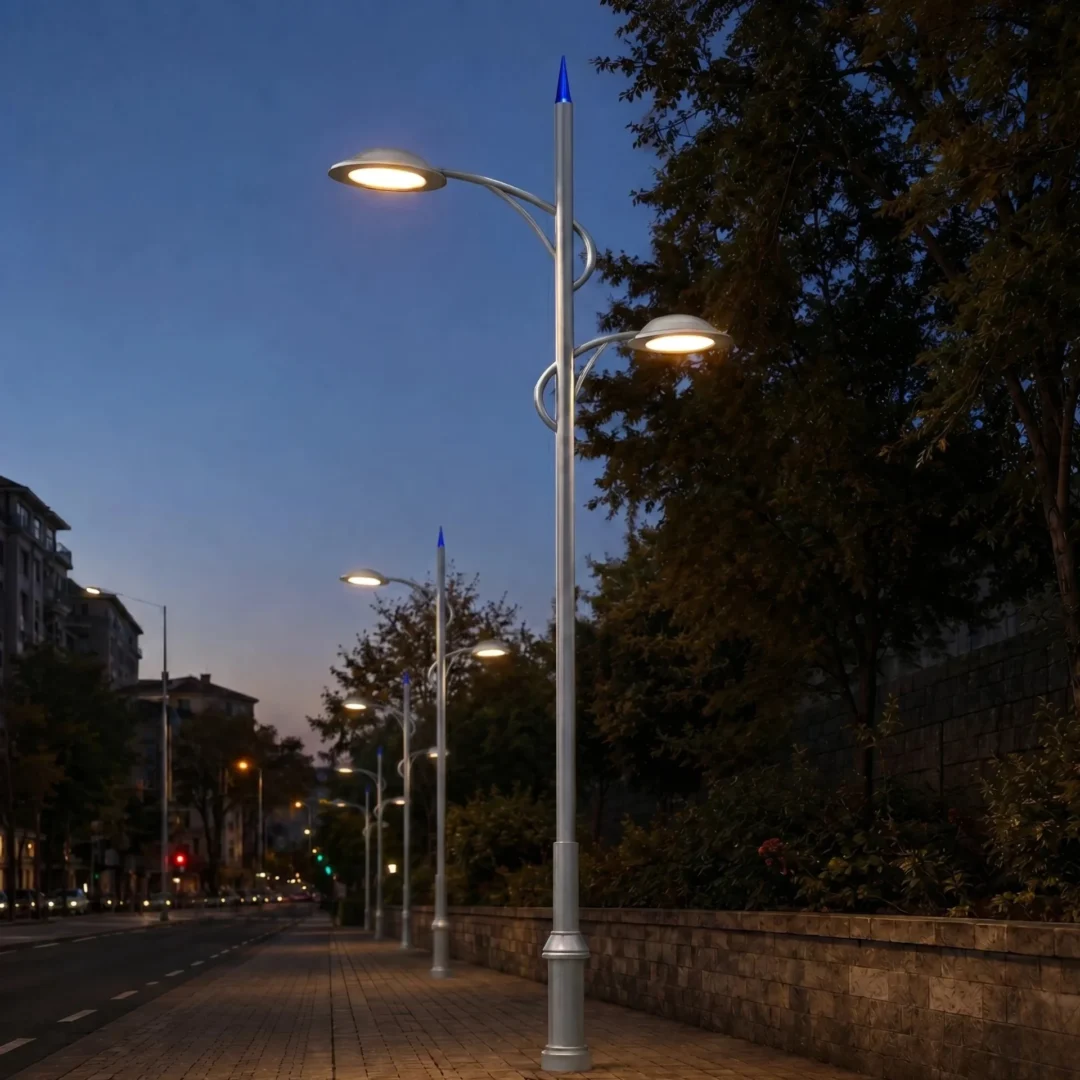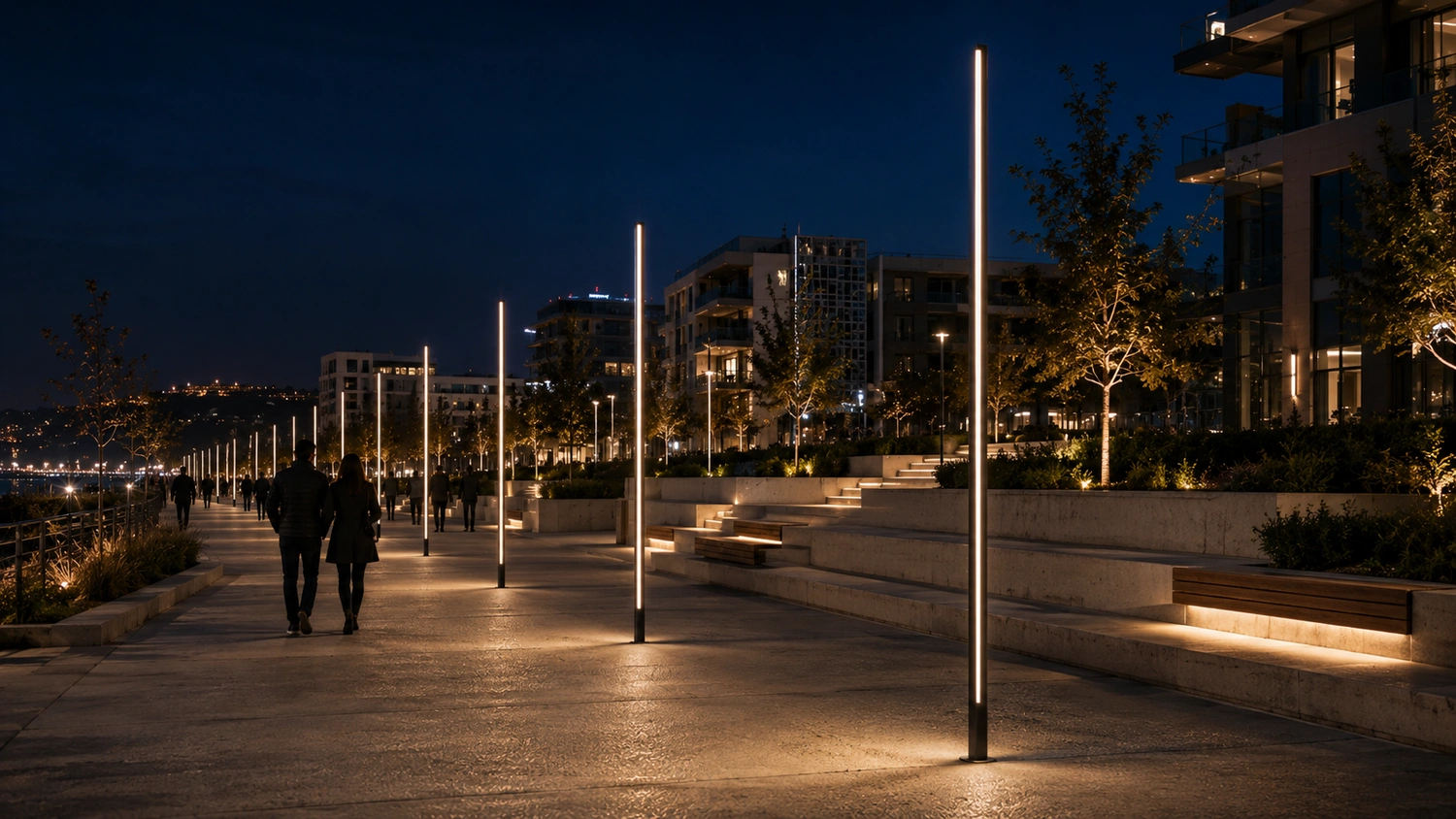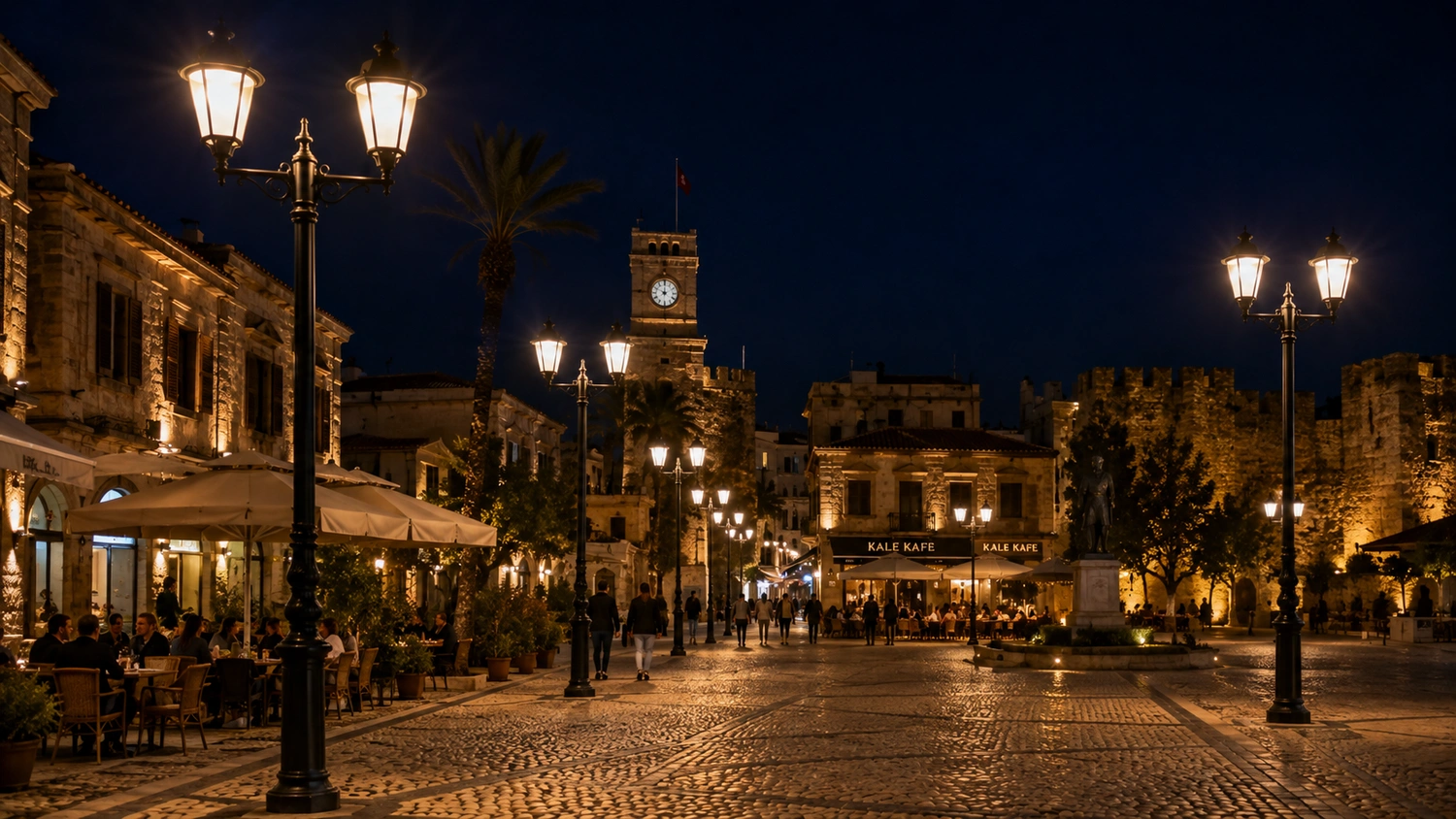


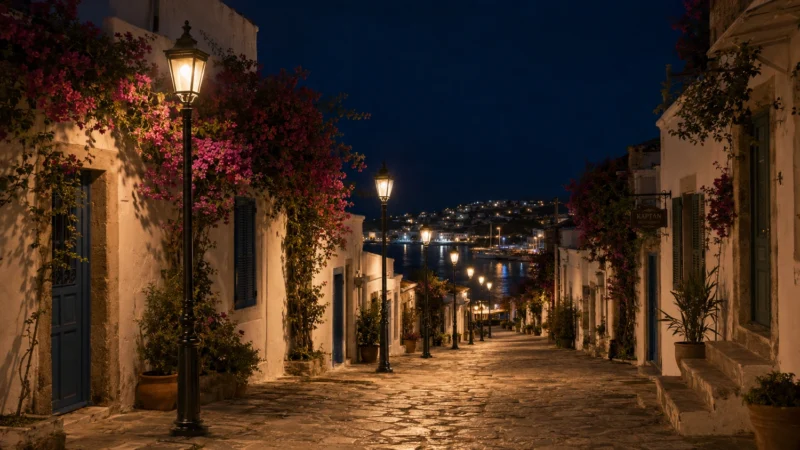
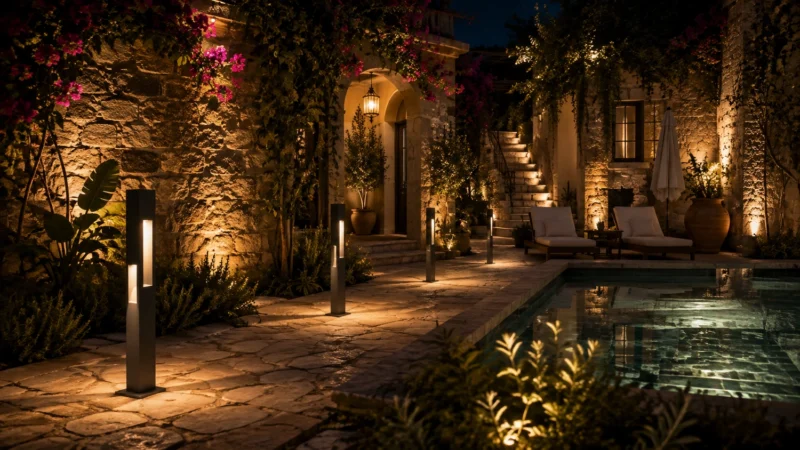
Georgia does not have its own lighting column standard, and it does not need one. Under the Product Safety and Free Movement Code of Georgia, mandatory state safety requirements apply only within a regulated field; outside it, a business may choose which safety requirements to meet. In practice an importer may comply either with Georgian standards or with the standards of EU and OECD member countries, and foreign standards are registered with the national agency rather than replaced. The government accepts standards from 37 EU and OECD countries. So an EN 40 pole is acceptable in Georgia because European standards are accepted there, not because Georgia has published its own version of EN 40.
Artay Lighting has cast aluminium in its own die-cast foundry in Istanbul since 1999 and exports to more than 33 countries. Georgia is one of the closest of them, and one of the few where a Turkish manufacturer ships industrial goods at zero duty. This page sets out what applies, what the Batumi climate does to a pole, and how tenders are published.
Which standards apply to a lighting pole in Georgia?
The framework law is the Product Safety and Free Movement Code of Georgia, No. 6157-IS of 2012. Article 2(1)(a) states that mandatory safety requirements established by the state apply only to a regulated field, and that in other fields an entrepreneur may voluntarily choose which safety requirements to meet. Article 3(1) then provides that a product within a regulated area, manufactured in a country with appropriate product safety standards and advanced quality infrastructure and in compliance with that country’s legislation, is placed on the market without restriction, with the list of countries defined by the Government.
The standards body is the Georgian National Agency for Standards and Metrology, GEOSTM, which has been a CEN-CENELEC Affiliate since 1 January 2023 – a status described as an intermediary step towards full membership, aimed at high alignment with European standards. A Technical Regulation on Construction Products came into force on 15 January 2019, reported to have been drafted in line with EU Regulation 305/2011.
What we could not establish is whether GEOSTM has adopted the EN 40 series under a Georgian designation; we could not find EN 40 in its catalogue, and we are not going to invent a designation. If a tender asks for a Georgian standard number for lighting columns, ask the contracting authority to name it rather than assuming one exists.
What does the free trade agreement actually give you?
The Türkiye-Georgia Free Trade Agreement was signed in Tbilisi on 21 November 2007 and entered into force on 1 November 2008. Article 4 abolished all customs duties on imports, and charges having equivalent effect, on products originating in either party from the date the agreement entered into force. For industrial goods that means zero duty, evidenced by a EUR.1 movement certificate. There is no phase-in left to wait for; it has been in force for eighteen years.
The part most exporters miss is Decision No 1/2016, which enables diagonal cumulation between Türkiye, Georgia and the European Union. Diagonal cumulation means materials originating in one of those parties can count as originating when incorporated in another – so a pole assembled in Türkiye from qualifying EU material can still hold origin for Georgia, and a Georgian project sourcing from Türkiye does not lose preferential treatment because a component came from the EU. On a bill of materials that mixes Turkish casting with European electrical components, that is the difference between a duty-free entry and a full-rate one.
Why does Batumi change the specification when Tbilisi does not?
Because the Georgian Black Sea coast is one of the wettest places a lighting pole gets installed in this region. Batumi receives 2,435 mm of precipitation a year. Monthly rainfall exceeds 150 mm from July through to March, and November alone averages 312 mm. Monthly mean temperatures run from 4.4 °C in February to 27.5 °C in August, with an annual mean of 15.45 °C on 1991-2020 data – a humid subtropical climate with mild winters, warm summers and very abundant rainfall.
That combination does something specific to a pole. On a Mediterranean or Gulf coast, salt is deposited and the surface then dries; corrosion runs in cycles. On the Georgian coast the surface is wet for most of the year and effectively never completes a drying cycle, so any water that gets inside a shaft stays there. The chloride load, meanwhile, is lower than a specifier used to the Mediterranean would expect: the Black Sea’s surface salinity averages 17 to 18 parts per thousand, roughly half that of ocean water. Less chloride, far more water. It is a different problem, not a milder one.
Inland is a different specification again. Tbilisi is not a coastal environment, and writing a coastal coating system for the whole country is how a project pays for protection it does not need in one place and still gets it wrong in another. As always, no standard assigns a corrosivity category to a named city – the specification writer names the category and the coating system follows from it. The mechanism is set out in the coastal lighting poles guide.
Which part of a pole fails first in a wet climate?
The inside. A lighting column is a closed tube with two deliberate openings – the cable entry and the access door – and both of them let in more water than anyone expects, partly as rain driven horizontally and partly as condensation when a warm humid day is followed by a cold night. In a dry climate that water evaporates. At 2,435 mm a year and high humidity it does not.
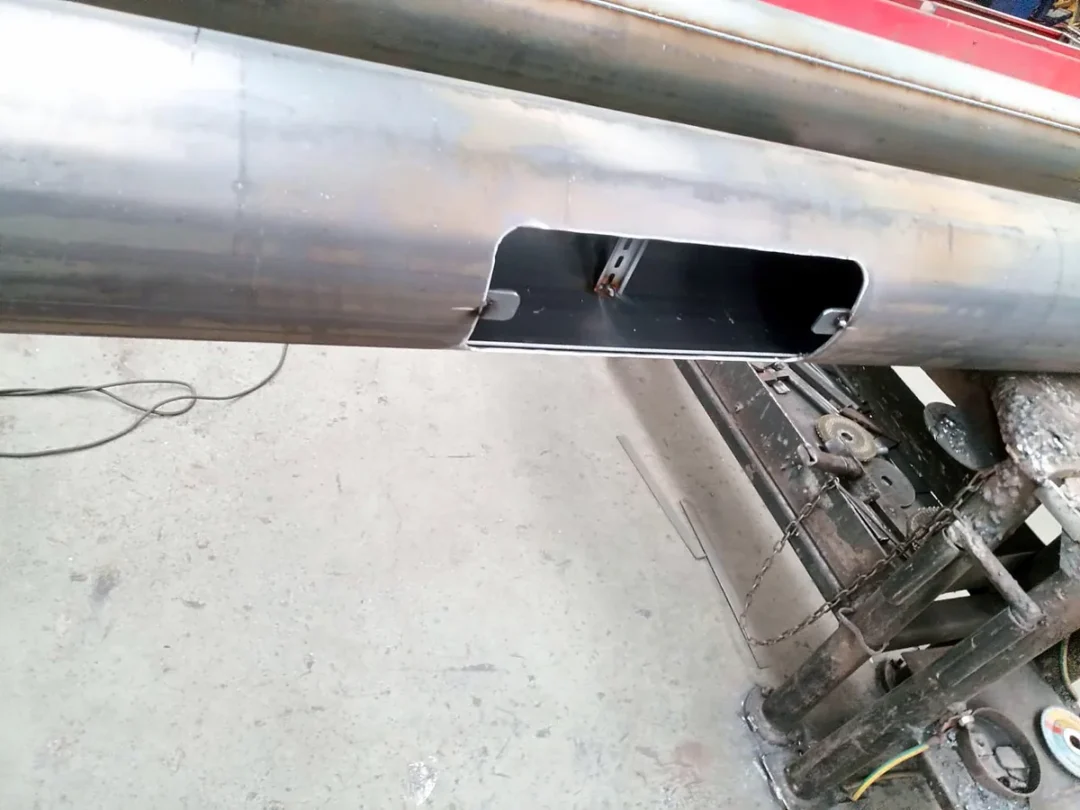
Three details decide whether that matters. A drain at the base, so standing water inside the shaft has somewhere to go rather than sitting against the weld and the base plate. A door that sheds water rather than collecting it, with its frame detailed so rain running down the shaft is directed around the aperture instead of into it. And the earthing point, which lives inside the door and is the first thing to corrode once the inside of a pole stays damp. None of these three costs anything at the drawing stage and all three are expensive at year six.
How are Georgian lighting tenders published?
Through the State Procurement Agency, on the Unified Electronic System of State Procurement at tenders.procurement.gov.ge. The agency’s own site is available in Georgian and English. Thresholds run roughly as follows: a simplified electronic tender covers procurements from about GEL 5,000 to GEL 200,000, a regular electronic tender applies above that, and an international announcement is used above roughly GEL 2 million.
Tender documentation is in Georgian, and the translation requirement is the practical obstacle for a supplier without a local presence rather than anything technical. Georgia has also adopted a new public procurement law aligning with EU rules; we could not confirm its entry-into-force date from an official source, so check the current procedure rather than relying on a description written before it.
What can Artay supply for a Georgian project?
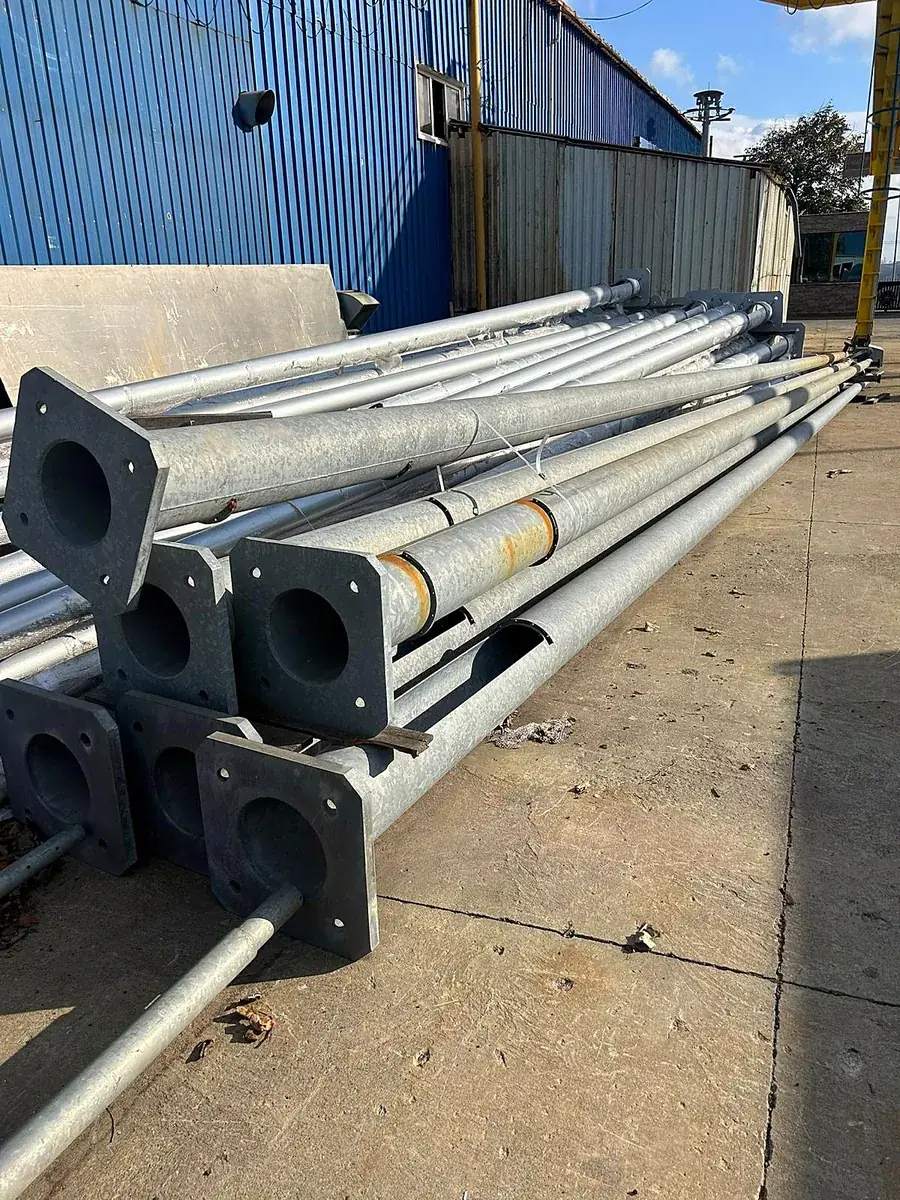
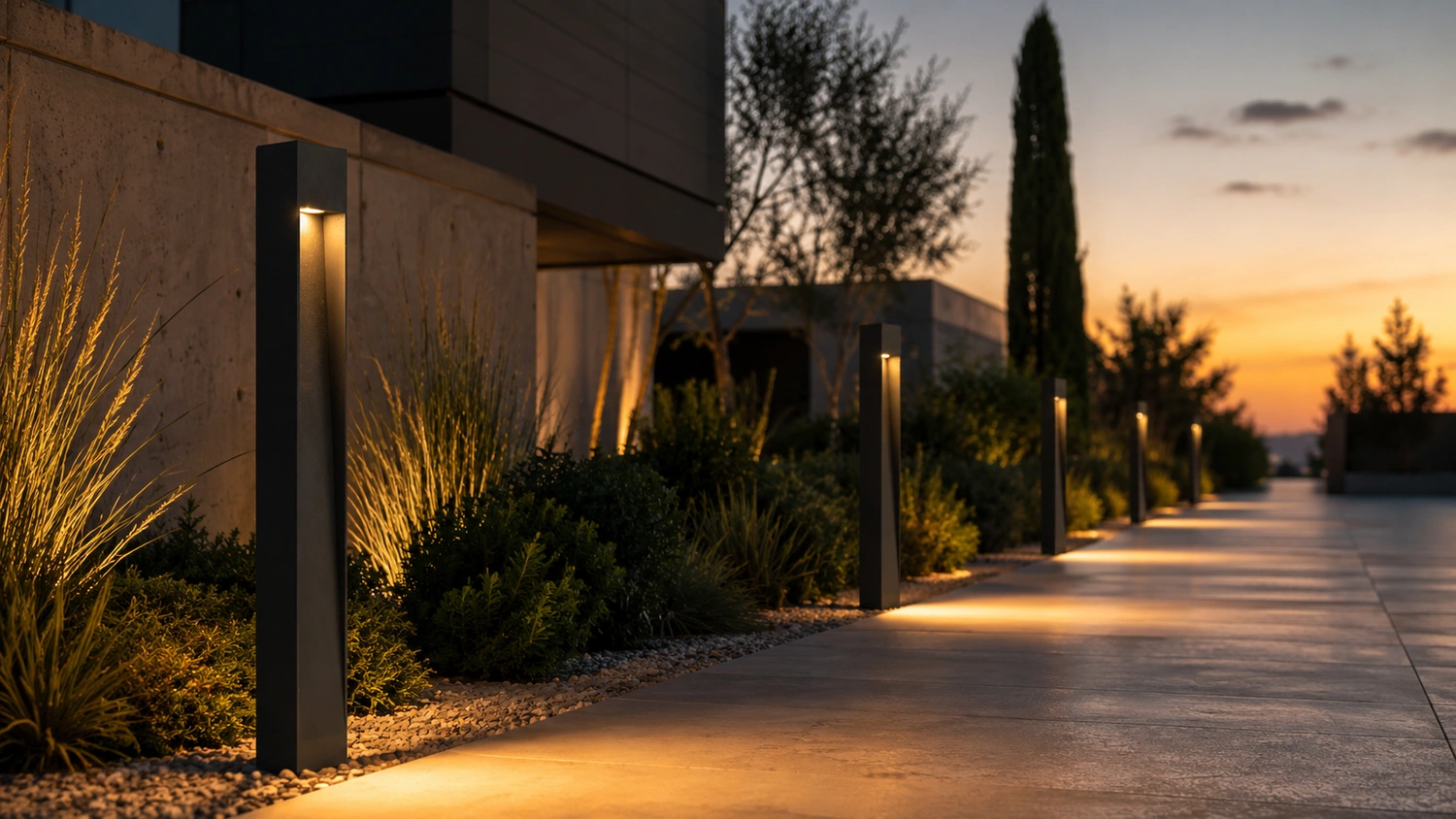
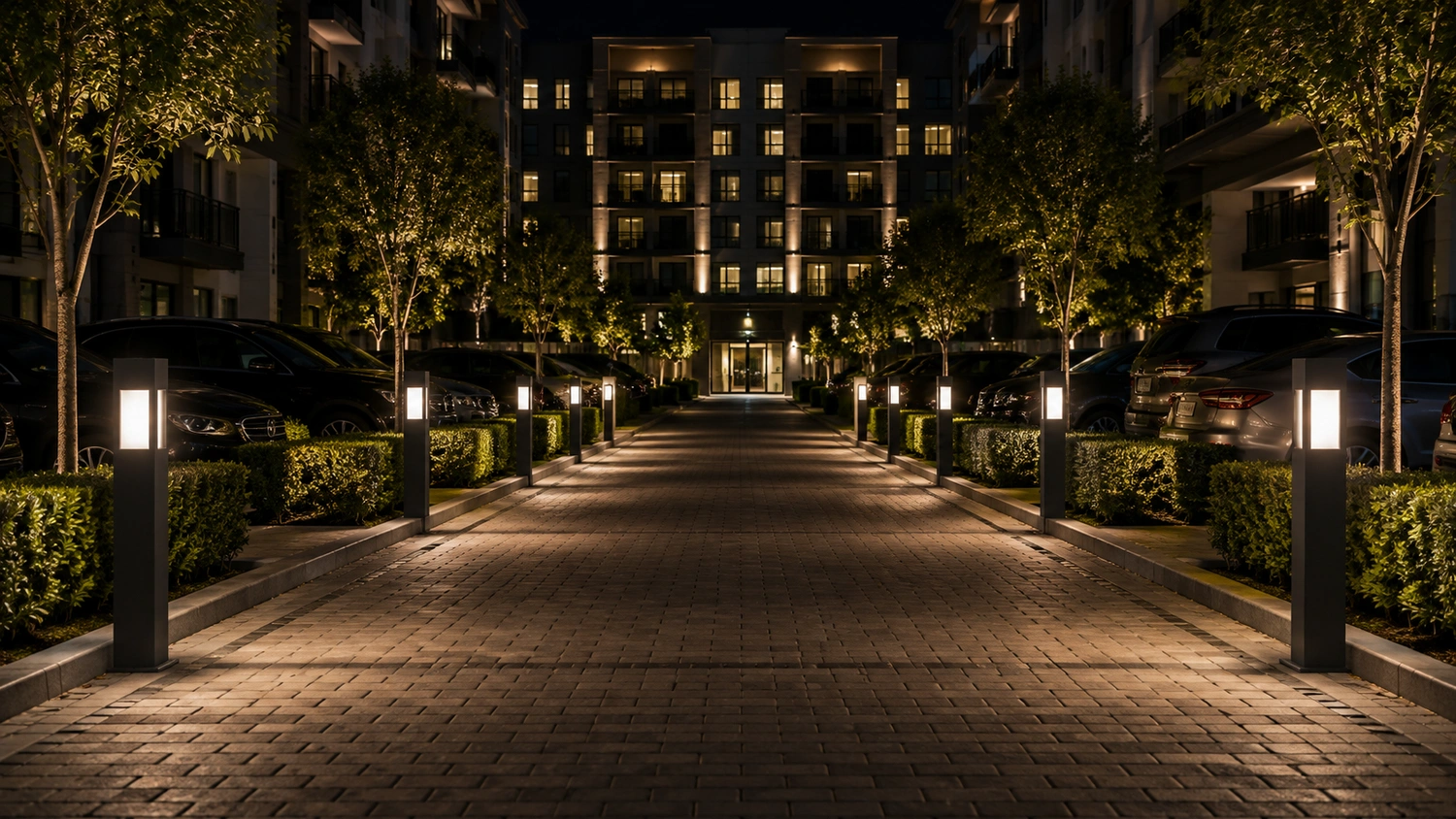
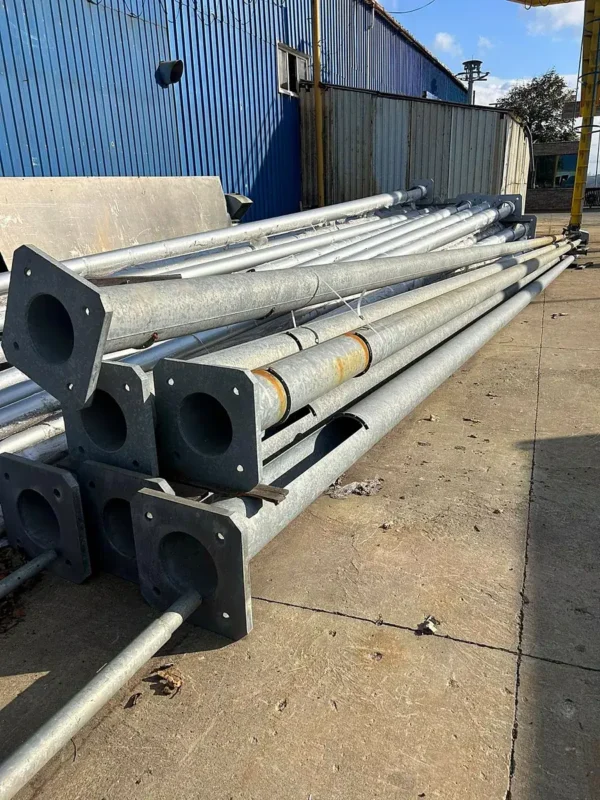
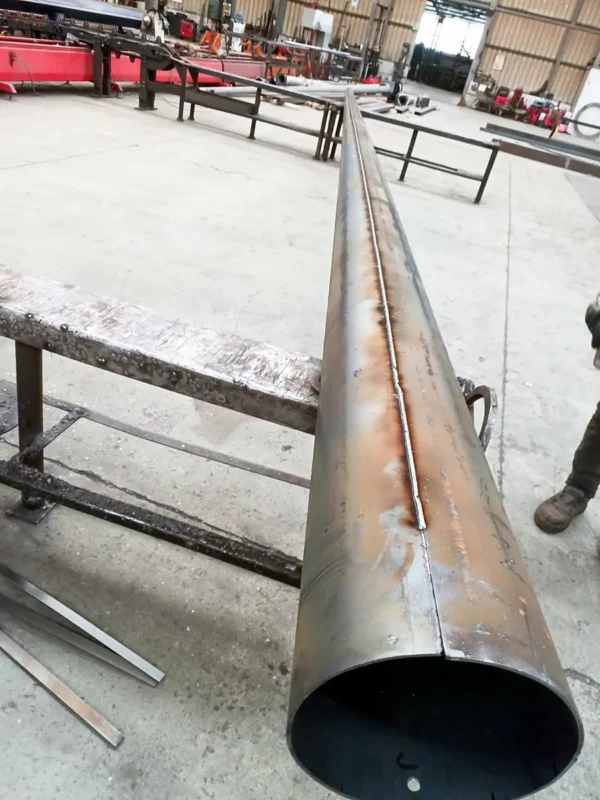
Cast aluminium poles, bollards and luminaire housings from our own foundry in Başakşehir, Istanbul, in EN AC-46000 (AlSi9Cu3) alloy with chromate pre-treatment before electrostatic powder coating; and hot-dip galvanized steel poles to EN ISO 1461, up to 12 m, fabricated to the EN 40 series. Luminaires are CE marked, and manufacturing is certified to TSE under TS EN 40 for lighting columns and to ISO 9001 for quality management. Ask for the certificate together with its scope – a certificate covering luminaires does not cover columns.
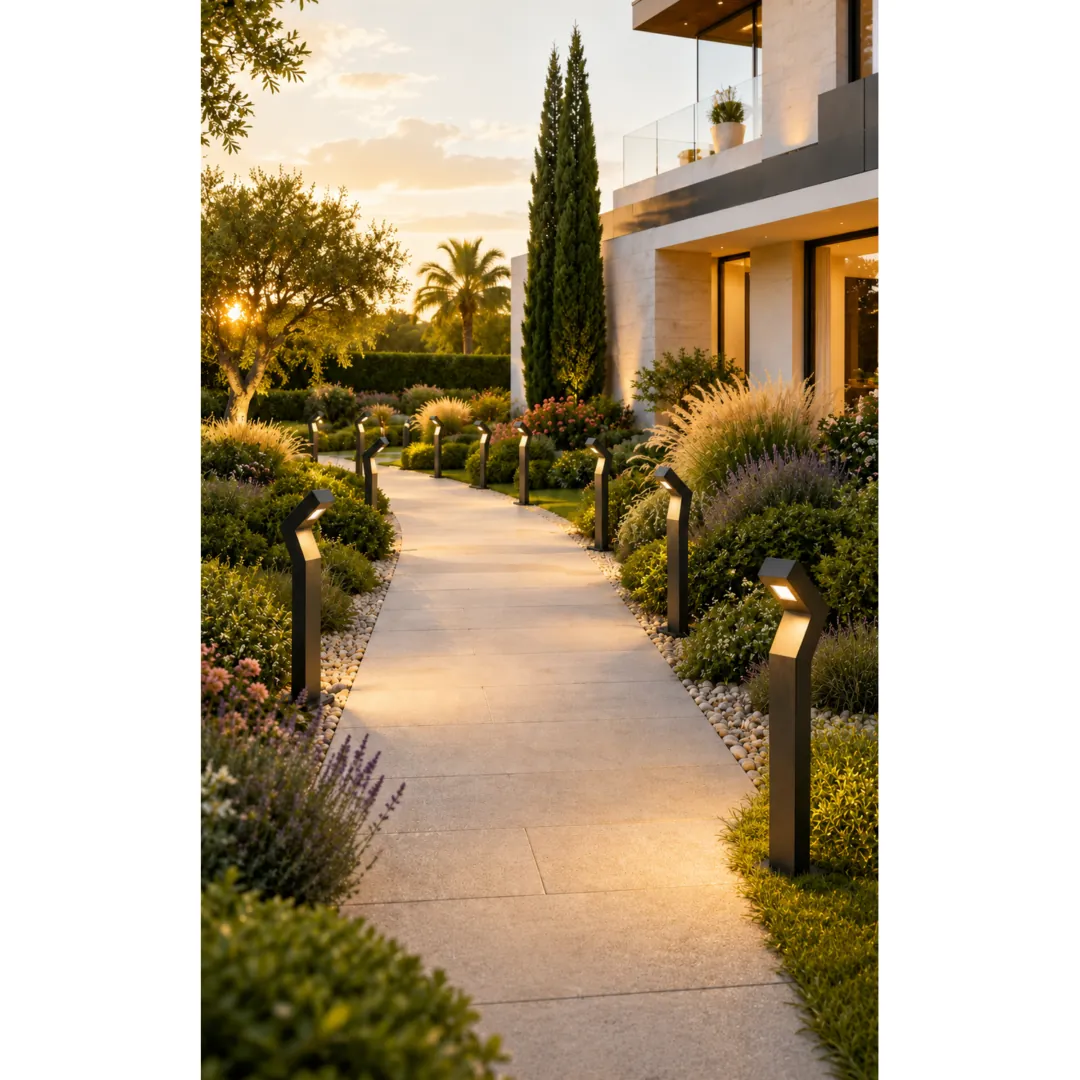
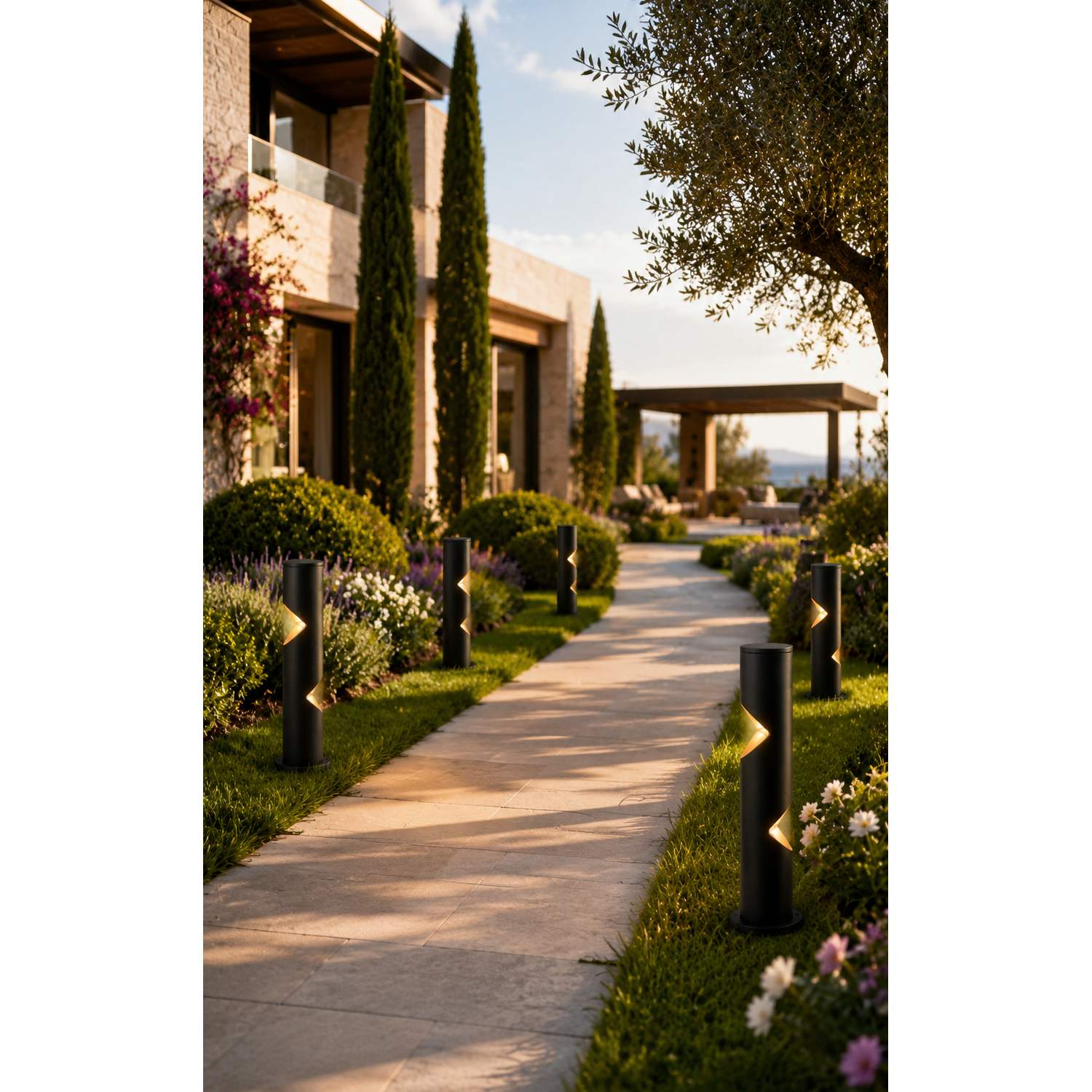
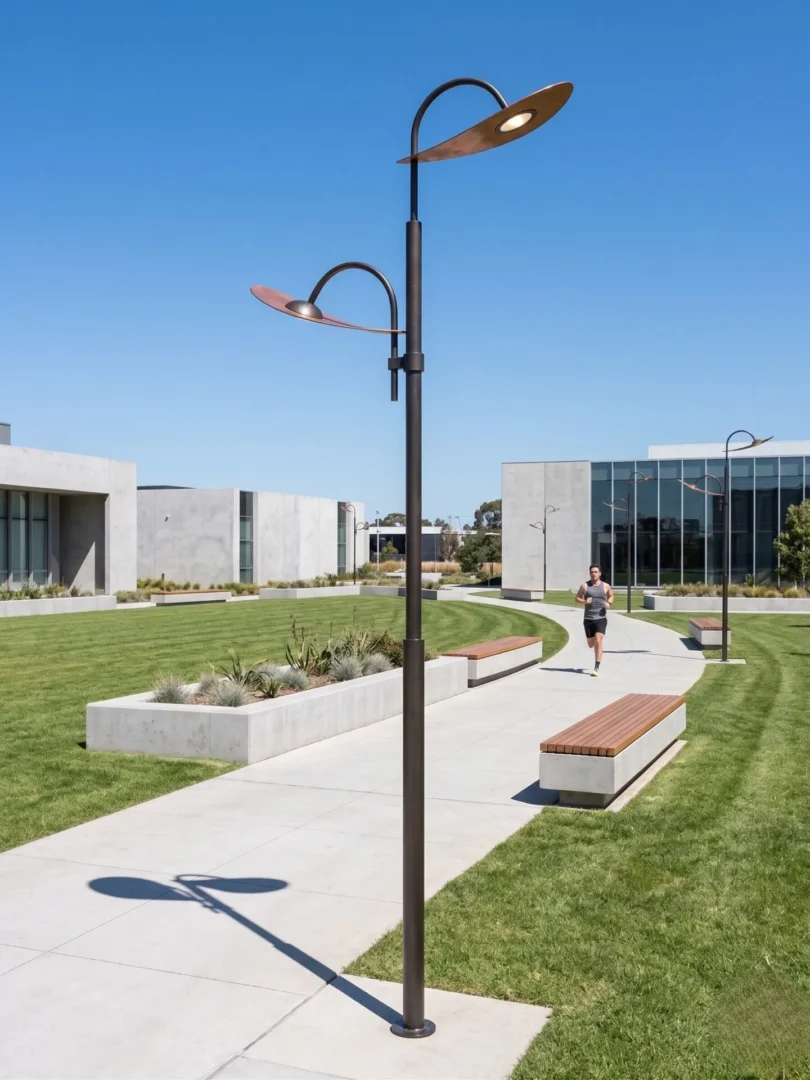
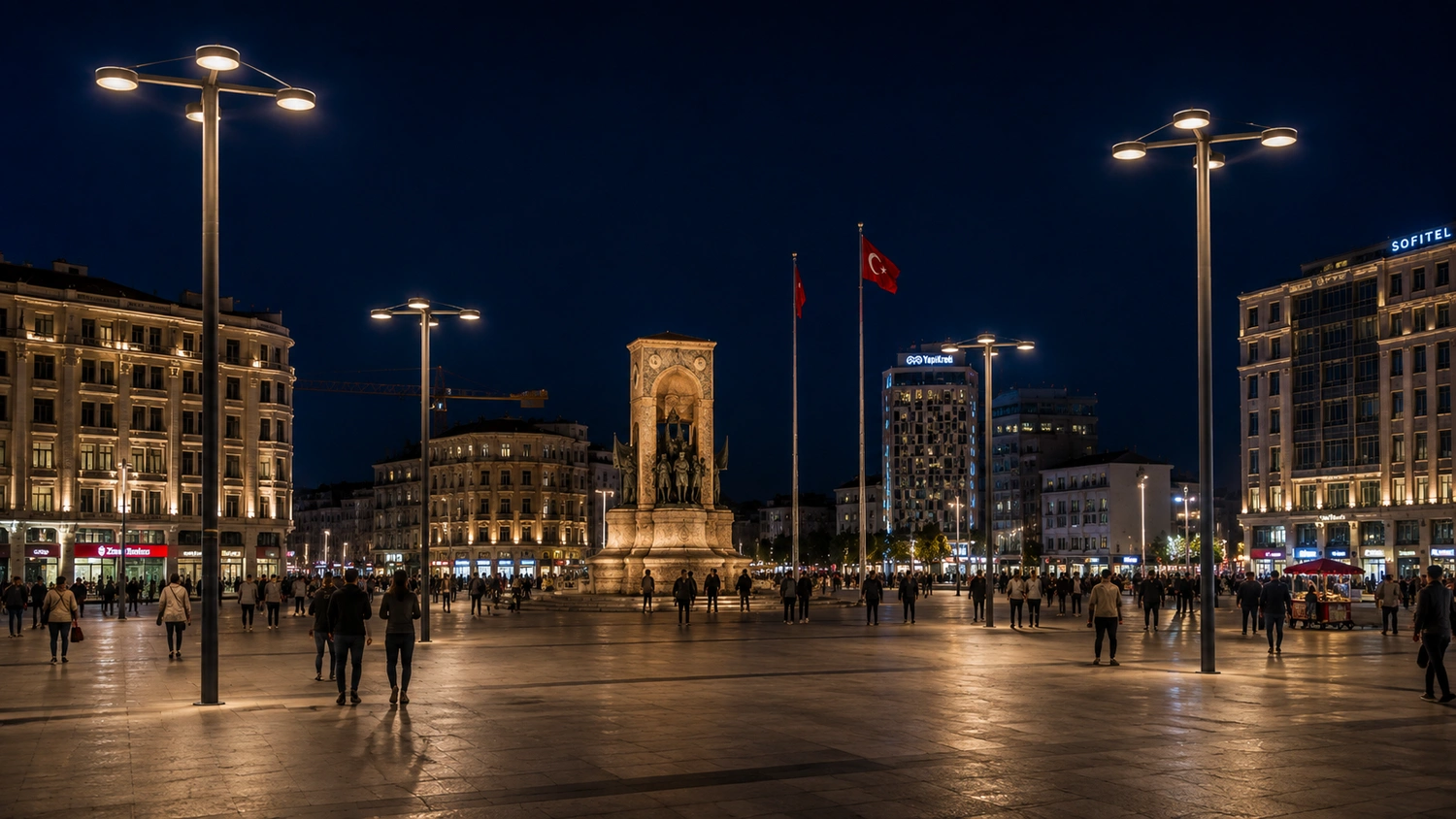
We do not make high-mast poles, and we buy in extruded aluminium profile rather than extruding it ourselves, as most of this market does. What we do make from nothing is a form: because the aluminium is cast rather than fabricated, a promenade in Batumi or a square in Kutaisi can have a pole of its own. A new die is cut in our own tool shop in four to six weeks and a first delivery follows seven to nine weeks after drawing approval; repeat orders on that die ship in three weeks. Changing only height, diameter, wall thickness, arm length or RAL colour needs no die at all and carries no minimum order.
Istanbul to Tbilisi is a road shipment, which for a repeat order on an existing die means a delivered pole in weeks rather than months. Send a drawing, a tender specification or a written requirement to info@artaylighting.com and we will return a technical drawing, a wind-load calculation and a delivery date.
Related guides
- Coastal lighting poles – chloride, corrosivity categories, fixings and cable entry.
- Street lighting pole types – the four families, and how a galvanized steel pole is made.
- Lighting pole materials – galvanized steel, cast aluminium and extruded profile compared.
- Street lighting poles for Iraq – a specification built on entirely different standards.
- What drives the cost of a lighting pole – where the money goes, and why unit prices are not published.
- Lighting poles for Greece – the ELOT technical specification a tender actually cites, CE marking and the A.TR certificate.
- Lighting poles for Moldova – the EN 40 series named by the energy regulator, and a 64-degree annual range.
- Lighting pole standards by country — the eight export markets side by side: what each tender cites, where it is published and what crosses the border.